Message Us
Online
Request a call back

Savage Pest solutions
Covering Leicester, Leicestershire, Northampton and Warwickshire
Lines open
6am to 8pm ( 7 days a week)
07725 885238
Treatments start from From £125
£20 call out fee (deducted from your treatment cost)
Squirrels
Know Your Squirrels: What the Law Says.
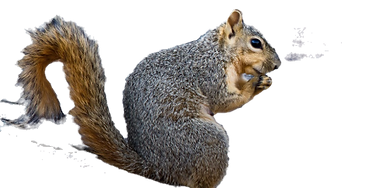
Did you know that only Grey Squirrels are considered pests under UK law?
Introduced from North America in the Victorian era, greys are an invasive species responsible for widespread property damage and the decline of our native wildlife.
Because they are an invasive species, the Wildlife and Countryside Act 1981 makes it illegal to catch a grey squirrel and release it back into the wild. They must be humanely dispatched.
Red Squirrels, on the other hand, are legally protected and must never be harmed or disturbed. Our professional team is fully trained to identify the species correctly, ensuring your pest issue is handled legally, safely, and humanely.
Why Squirrels Are Serious Household Pests
While squirrels may look harmless in local parks, they become destructive and hazardous pests when they invade your property. Because their front teeth never stop growing, squirrels have a compulsive need to gnaw on hard surfaces. This behaviour, combined with their nesting instincts, can lead to severe structural damage and safety risks in your home or business.
Key Risks of a Squirrel Infestation
Fire Hazards: Squirrels frequently chew through live electrical wiring in attics, creating a major risk of hidden house fires.
Structural Damage: They easily bite through wood, vinyl siding, PVC water pipes, and aluminium fascia to force entry inside.
Ruined Insulation: Nesting females tear up fiberglass and cellulose insulation, leaving behind costly structural damage and spiking your heating bills.
Health & Sanitation Risks: Their urine and droppings contaminate crawlspaces, while their fur carries ticks, fleas, and mites into living areas.
Garden and Property Havoc: They dig up lawns, destroy expensive fruit trees, strip bark, and aggressively ruin bird feeders.
